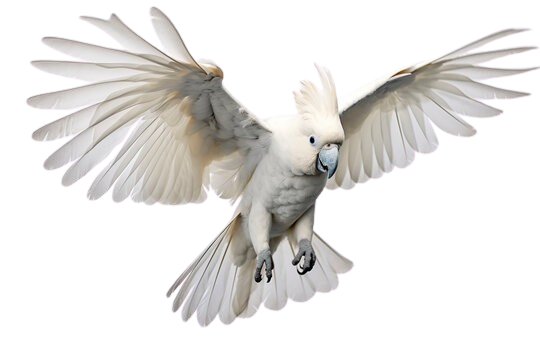
Do cockatoos like being handled
Do cockatoos like being handled? Yes, many cockatoos can enjoy gentle handling, but the answer depends greatly on the individual bird, its species, early socialization, previous experiences, and current mood. After spending years around parrots, I have learned that cockatoos are rarely birds that should simply be picked up whenever a person wants. Some actively seek human attention and climb onto a trusted person’s hand, while others prefer affection on their own terms. The best approach is patience: learn your cockatoo’s body language, build trust gradually, and never force physical contact. A cockatoo that feels safe is usually much more willing to interact.
Why Do Cockatoos Like Being Handled by Some People but Not Others?
One thing I always tell new parrot owners is that cockatoos are individuals. It sounds obvious, perhaps, but people sometimes expect every bird of the same species to behave in the same way. That simply is not how cockatoos work.
Some cockatoos become extremely attached to their favorite person and may actively walk toward them for attention. Others are friendly but prefer standing near people rather than being touched constantly. Then there are birds that need a considerable amount of time before they feel comfortable stepping onto a hand.
A bird’s history can also influence the answer to the question, do cockatoos like being handled? A young bird that has experienced calm, respectful interaction may be more comfortable around people than a bird that has had frightening or inconsistent experiences. However, even a well-socialized cockatoo can have days when it does not want physical contact. That is normal.
I think one of the biggest mistakes owners make is assuming that a friendly cockatoo always wants to be touched. Trust does not mean unlimited handling.
How to Tell Whether Your Cockatoo Wants to Be Handled
Learning to observe your bird is one of the most useful parts of cockatoo ownership. Before placing your hand near the bird, take a moment and watch its behavior.
A cockatoo that is comfortable may approach voluntarily, lean toward you, step forward, or calmly lift one foot toward your hand. During training, many birds will also become familiar with the simple step-up request.
On the other hand, a cockatoo may communicate discomfort by moving away, hissing, lunging, biting, or becoming visibly tense. The crest and feathers can also provide useful clues, although body language should always be interpreted as a whole rather than relying on one signal.
When people ask me, do cockatoos like being handled, I usually explain that willingness is more important than simply whether the bird allows it. A cockatoo might tolerate being picked up without actually enjoying the experience.
That difference matters.
Do Cockatoos Like Being Handled Every Day?
Daily interaction can be beneficial, but that does not necessarily mean constant physical handling. Cockatoos are highly social birds, and many enjoy spending time with their people. Talking nearby, offering enrichment, allowing supervised interaction, and practicing short training sessions can all help strengthen the relationship.
Handling should be calm and predictable.
Start with short sessions, especially when working with a bird that is still learning to trust you. Encourage the cockatoo to step onto your hand or another safe perch rather than grabbing it. If the bird steps away, give it space and try again later.
I have found that short, successful interactions are usually better than long sessions that leave the bird uncomfortable. Five positive minutes can be more valuable than thirty minutes of forcing a nervous cockatoo to stay on someone’s hand.
Handling Different Cockatoo Species
Different species can have different general tendencies, although personality still plays a major role.
Umbrella Cockatoos
Umbrella cockatoos are often known for being affectionate and highly social with trusted people. Many enjoy close interaction, but their emotional needs are significant, and they should not be encouraged to depend on constant physical attention.
Moluccan Cockatoos
Moluccan cockatoos can form strong relationships with their caretakers. Their large size and powerful beaks mean that handling should always be based on proper training and respect for the bird’s boundaries.
Goffin’s Cockatoos
Goffin’s cockatoos are intelligent, curious, and often eager to explore. Many enjoy interaction and training, although their curiosity can sometimes make them independent rather than simply cuddly.
Sulphur-Crested Cockatoos
Sulphur-crested cockatoos can become very social with familiar people. Consistent handling and positive experiences may help build confidence, but they can also become defensive when frightened or overstimulated.
So, do cockatoos like being handled regardless of species? Not necessarily. Species can give you a general idea, but the individual bird should always have the final say.
A Simple User Guide for Handling a Cockatoo
If you are introducing handling to a cockatoo, keep the process uncomplicated.
Approach the bird calmly and avoid sudden movements. Speak in a familiar voice. Offer your hand or a suitable perch and allow the cockatoo to step up voluntarily. Reward calm behavior with praise, attention, or another appropriate positive experience.
Avoid chasing the bird around its enclosure.
Avoid grabbing it unless handling is necessary for immediate safety or veterinary care.
And do not punish a cockatoo for showing fear. A bird that bites or lunges is often communicating that something is wrong with the situation.
Patience is sometimes boring, I admit. But with cockatoos, rushing the relationship usually creates more problems than it solves.
At Buy Cockatiels, I believe responsible parrot ownership begins with understanding that every bird deserves to have its behavior and boundaries respected.
Common Mistakes When Handling Cockatoos
One common mistake is encouraging excessive cuddling around the body or back. Physical contact in certain areas may create hormonal stimulation in parrots, so affection should be appropriate and not confused with constant petting.
Another mistake is forcing interaction because visitors want to hold the bird. A cockatoo does not need to perform for guests. In fact, allowing the bird to choose whether to interact can help maintain trust.
Inconsistent handling can also be confusing. One person may allow the bird to step up, while another reacts nervously and pulls away. Calm, consistent training generally produces better results over time.
Conclusion: Do Cockatoos Like Being Handled?
Do cockatoos like being handled? Many do, but the most accurate answer is that cockatoos often enjoy handling when they feel safe, respected, and familiar with the person interacting with them. Some birds become very affectionate, while others prefer limited contact and more personal space.
As Mr. Parrot, my advice is simple: do not measure your relationship with a cockatoo by how long it sits on your hand. Measure it by trust. A bird that voluntarily approaches you, feels safe around you, and chooses to interact is showing something much more valuable than simple tolerance.
Frequently Asked Question
Do cockatoos like being handled by strangers?

Usually, cockatoos are more comfortable being handled by people they know and trust. Some well-socialized birds may calmly interact with strangers, but others can become nervous or defensive in unfamiliar situations. It is generally best to allow the cockatoo to approach at its own pace rather than expecting it to immediately step onto another person’s hand.