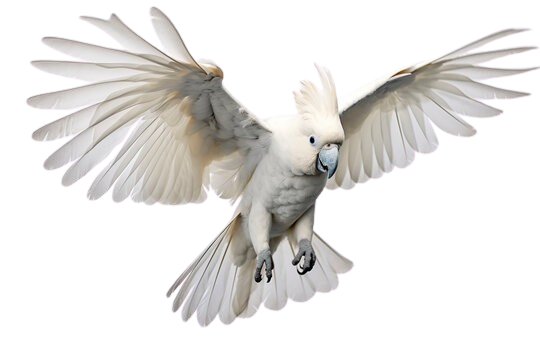
Why do cockatoos scream
Why do cockatoos scream? Cockatoos scream for several reasons, and the answer is not always that something is wrong. These parrots are naturally vocal animals, but excessive screaming can be connected to excitement, flock calling, boredom, fear, loneliness, environmental changes, or a desire for attention. In my experience as a breeder, the most important thing is to look at when the screaming happens and what is occurring around the bird. A cockatoo that screams at sunset may simply be following a natural daily pattern, while a bird that suddenly begins screaming much more than usual may be trying to communicate something different.
Why Do Cockatoos Scream Naturally?
When someone asks me, “Why do cockatoos scream?”, I first explain that cockatoos were never designed to be quiet household animals. In their natural social lives, loud calls help birds communicate with members of their flock over distances.
A companion cockatoo may view the people in its home as part of its flock. When you leave the room, the bird may call loudly. When you answer from another room, the cockatoo may call again. It can become a conversation of sorts, although perhaps not a quiet one.
Many owners are surprised by how powerful a cockatoo’s voice can be. I understand that. A young bird can look calm and gentle, and then suddenly produce a sound that seems far too large for the room.
That does not automatically mean the bird is unhappy. Vocalization is simply part of being a cockatoo.
Why Do Cockatoos Scream for Attention?
Cockatoos are intelligent and highly social parrots. They quickly learn what produces a response from the people around them.
Imagine this situation: the cockatoo begins screaming, and someone immediately runs over, talks to the bird, opens the cage, or offers a favorite activity. From the bird’s perspective, the scream worked.
The bird may repeat it.
This does not mean you should ignore your cockatoo completely. That would not be fair or particularly helpful. The goal is to provide regular attention and interaction before screaming becomes the only way the bird receives it.
I have found that a predictable daily routine often makes a difference. Cockatoos generally benefit from knowing when they can expect food, social interaction, supervised activity, and quiet periods.
Consistency is not magic, of course. But it helps.
Boredom and Cockatoo Screaming
Another answer to why do cockatoos scream is boredom.
Cockatoos are active and curious. A bird that spends long periods with little to investigate may begin creating its own entertainment, and screaming can become part of that behavior.
Appropriate enrichment is important. Depending on the individual bird, this may include safe toys for chewing and exploring, opportunities for supervised activity, training sessions, and changes to the environment that encourage natural curiosity.
Not every cockatoo likes the same toys. I have seen one bird become fascinated by a new enrichment item immediately while another watches it suspiciously for days.
Owners sometimes need to experiment a little.
The goal should not be to keep a cockatoo constantly entertained every minute. Quiet time is important too. Instead, provide enough appropriate mental and physical activity to prevent the bird’s daily life from becoming painfully repetitive.
Why Do Cockatoos Scream When They Are Afraid?
Fear can cause sudden loud vocalizations.
A new object, unfamiliar visitor, loud sound, household activity, or unexpected change may make a cockatoo feel nervous. Some birds recover quickly. Others may remain alert for longer.
Pay attention to the circumstances.
If your cockatoo suddenly screams when a particular object appears or when someone enters the room, that pattern may provide a clue. Removing the source of stress when appropriate and allowing the bird time to feel secure can be more effective than forcing the bird to accept something immediately.
A new cockatoo may also be especially vocal during its first days in a different home. Everything has changed: the sounds, smells, people, routine, and surroundings.
Patience is important during that adjustment period.
How to Reduce Excessive Cockatoo Screaming
The first step is understanding what is causing the behavior. There is no single solution for every bird.
Make sure your cockatoo has a suitable daily routine, appropriate nutrition, clean water, enrichment, social interaction, and opportunities for supervised exercise. Observe whether the screaming happens at specific times.
Morning and evening vocal periods may be part of the bird’s normal rhythm. However, screaming that increases when the bird is left alone for long periods may suggest a different problem.
Avoid shouting back. From the cockatoo’s point of view, you may simply be joining the noise.
Instead, encourage calm behavior by providing attention and positive interaction when the bird is quiet and relaxed. If excessive screaming continues, consider speaking with an experienced avian professional who can help evaluate the bird’s environment and behavior.
At Buy Cockatiels, I believe new bird owners should understand vocal behavior before choosing a parrot. A beautiful cockatoo can be an affectionate and fascinating companion, but quiet is not usually the quality that defines this species.
Could Screaming Mean a Cockatoo Is Unwell?
Sometimes a sudden change in behavior can indicate that something is different with the bird’s health or environment.
If a normally quiet cockatoo suddenly becomes unusually vocal, or if screaming is accompanied by changes in eating, droppings, activity, posture, or general behavior, it is sensible to seek advice from a qualified avian veterinarian.
Birds can hide signs of illness, which is one reason owners should become familiar with their individual bird’s normal routine.
You know your cockatoo better as time goes on. Small changes that might mean nothing to someone else may stand out to you.
Conclusion: Why Do Cockatoos Scream So Much?
Why do cockatoos scream? Because vocal communication is part of who they are. They may scream to contact their flock, express excitement, respond to fear, seek attention, or cope with boredom. The key is learning to separate normal cockatoo vocal behavior from excessive or unusual changes.
As Mr. Parrot, my advice is not to expect a cockatoo to behave like a quiet pet. Instead, understand the species before bringing one home. Provide a stable routine, meaningful interaction, appropriate enrichment, and patience.
A cockatoo may never be silent—and honestly, it should not have to be. But when you understand why your bird is screaming, you are in a much better position to respond calmly and responsibly.
Frequently Asked Question
Why do cockatoos scream when their owners leave the room?

Cockatoos may scream when an owner leaves because they are making a flock call. The bird may be trying to locate its social group or encourage a response. Regular interaction, a predictable routine, and appropriate enrichment can help reduce excessive attention-related screaming, although some natural vocal calling should be expected from a cockatoo.