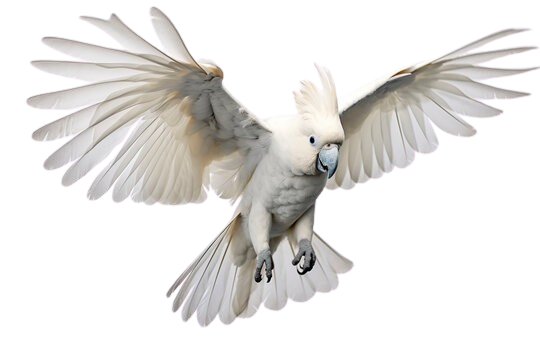
Do cockatoos bite
Do cockatoos bite? Yes, they can, and it is important for anyone considering one of these intelligent parrots to understand why. A cockatoo may bite because it is frightened, overstimulated, protecting its space, frustrated, or simply communicating that it has had enough interaction. In my experience as a breeder, biting does not automatically mean a cockatoo is aggressive or a bad pet. Most of the time, there is a reason behind the behavior, and learning to recognize that reason is one of the most important parts of responsible cockatoo ownership.
Why Do Cockatoos Bite?
When people ask me, “Do cockatoos bite?”, I usually explain that the better question is, why did the cockatoo bite?
Cockatoos do not always communicate in ways humans immediately understand. Before a bird bites, it may show signs that it is uncomfortable. It might move away, tighten its feathers, raise its crest, make warning sounds, or change its posture. Some birds give very obvious warnings. Others are less predictable, at least to a new owner.
Fear is one common reason for biting. A cockatoo in an unfamiliar home may feel uncertain about new people, sounds, objects, and routines. Even a friendly bird can react defensively if it feels cornered.
Overstimulation is another possibility. Cockatoos are highly emotional and intelligent birds, and sometimes they simply reach a point where they no longer want to be touched.
I have seen owners continue petting a bird because the cockatoo seemed affectionate only moments earlier. Then suddenly, there is a bite. It can feel surprising, but the bird may have been giving subtle signals that the person did not notice.
Do Cockatoos Bite Their Owners?
Yes, cockatoos may occasionally bite the people they know best.
This can be confusing because a cockatoo may be affectionate toward its owner and still bite at certain times. Affection and comfort do not mean the bird will enjoy every type of interaction at every moment.
A cockatoo might become protective of its cage, food, favorite toy, or preferred person. Changes in routine can also affect behavior. New visitors, household noise, or an unfamiliar environment may cause stress.
The important thing is not to immediately label the bird as mean.
In my experience, owners often make more progress when they look for patterns. Ask yourself what happened shortly before the bite. Was the bird tired? Was someone trying to remove it from a cage? Was there a loud noise? Had the cockatoo been handled for too long?
Sometimes the answer is obvious. Sometimes it is not.
Cockatoo Body Language Can Help Prevent Biting
Learning to observe body language is one of the best answers to the question, do cockatoos bite and can it be prevented?
Every cockatoo has its own personality, but owners should pay attention to changes in posture and behavior. A bird that moves toward you may be interested in interaction. A bird that repeatedly moves away may be asking for space.
The crest can also provide clues, although it should never be interpreted completely by itself. A raised crest may indicate excitement, alertness, curiosity, or strong emotion.
Watch the entire bird rather than focusing on one feature.
I think this is where experience becomes especially valuable. Over time, owners begin to understand their individual cockatoo. You may notice a particular look, sound, or movement that tells you the bird is becoming uncomfortable.
That familiarity can reduce misunderstandings.
What Should You Do If a Cockatoo Bites?
If your cockatoo bites, try to remain as calm as possible.
Reacting with shouting or sudden movements can make the situation more stressful. Physical punishment should not be used. A cockatoo may become more fearful and less trusting if handling is associated with frightening reactions.
Instead, safely end the interaction and give yourself a moment to consider what may have triggered the bite.
If biting becomes frequent or severe, examine the bird’s environment and routine. Consider whether the cockatoo is receiving enough appropriate stimulation, rest, and consistent interaction.
Sudden behavioral changes can sometimes have health-related causes as well. If a normally gentle bird begins behaving very differently, professional veterinary advice may be appropriate.
Are Some Cockatoo Species More Likely to Bite?
Different species have different temperaments, but it would be unfair to describe one species as simply aggressive and another as completely harmless.
Umbrella Cockatoos
Umbrella Cockatoos are often known for their affectionate personalities and strong attachments to their human families. However, they are still powerful parrots with strong beaks, and their emotional needs should be taken seriously.
Goffin’s Cockatoos
Goffin’s Cockatoos are intelligent, active, and curious. Their playful nature can sometimes be misunderstood if an owner does not recognize when the bird is becoming overstimulated.
Sulphur-Crested Cockatoos
Sulphur-Crested Cockatoos are intelligent birds with strong personalities. Consistent training and respectful handling can be especially important when developing a positive relationship.
Major Mitchell’s Cockatoos
Major Mitchell’s Cockatoos are beautiful and distinctive parrots, but like every species, they require an owner who understands their individual needs and behavior.
The individual bird often matters just as much as the species.
How New Cockatoo Owners Can Reduce the Risk of Bites
A calm beginning can make a real difference.
When bringing a new cockatoo home, avoid expecting immediate trust. Allow the bird time to observe its surroundings and become comfortable with the household.
Spend time near the cockatoo without constantly trying to touch it. Speak calmly and allow positive interactions to develop gradually.
Training can also help establish communication. Simple, consistent handling routines may teach the bird what to expect and help the owner understand how the cockatoo responds.
At Buy Cockatiels, I believe that choosing a parrot should involve more than falling in love with its appearance. Future owners should understand the species, prepare the home, and learn what responsible daily care really involves.
A cockatoo is intelligent enough to challenge you occasionally. That is part of what makes these birds so fascinating.
Conclusion: Do Cockatoos Bite and Should That Stop You From Owning One?
Do cockatoos bite? Yes, they can. Any potential owner should accept that possibility before bringing one home. However, biting does not mean that cockatoos are unsuitable companions.
A cockatoo’s behavior often reflects its environment, experiences, emotions, and communication needs. Patience, observation, appropriate handling, and respect for the bird’s boundaries can help create a stronger relationship.
As Mr. Parrot, my advice is to learn about cockatoos before making a decision. Understand their intelligence, their social needs, their powerful beaks, and their long-term responsibilities. A well-informed owner is usually much better prepared when normal challenges arise.
Frequently Asked Question
Do cockatoos bite often?

Some cockatoos may bite occasionally, while others rarely do. Frequency depends on the individual bird, its environment, handling, socialization, health, and emotional state. Understanding the reason behind the behavior and learning the cockatoo’s body language can often help reduce unnecessary biting.