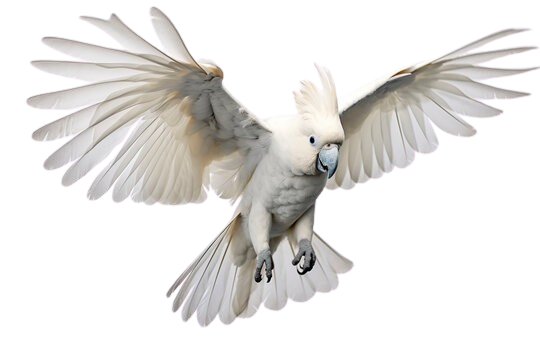
What size cage does a cockatoo need
What size cage does a cockatoo need? The short answer is that a cockatoo needs a cage large enough to fully stretch, climb, flap its wings, turn comfortably, and move between perches without constantly touching the bars. The exact answer depends heavily on the species. Smaller cockatoos may need a large, sturdy cage, while Umbrella, Moluccan, Sulphur-Crested, and other large cockatoos need substantially more room and much stronger
construction. In my experience as Mr. Parrot, choosing the cage before bringing the bird home is one of the smartest decisions a future owner can make. A cage is not simply a place where a cockatoo sleeps. It becomes its daily environment, feeding area, play space, and safe retreat. Bigger is generally better, provided the cage is secure and properly arranged.
What Size Cage Does a Cockatoo Need for Everyday Comfort
When people ask me, what size cage does a cockatoo need, I usually tell them not to begin with the smallest number they can find online. Start by looking at the actual bird.
Cockatoos vary enormously. A Goffin’s Cockatoo is not the same size as a Moluccan Cockatoo, and a cage that seems spacious for one species may be far too restrictive for another. The bird’s wingspan, body size, tail length, activity level, and ability to climb all matter.
Government animal-welfare guidance uses wingspan as an important basis for enclosure dimensions. For example, published guidance lists a minimum of approximately 150 × 112.5 × 112.5 cm for small-to-medium cockatoos and approximately 220 × 165 × 165 cm for large cockatoos in certain regulated settings. These figures are useful as welfare references, but a home cage should still be selected according to the individual species and should not be treated as a target to stay as close to as possible.
I think this is where many new owners make an understandable mistake. They see the word minimum and assume it means ideal. It does not.
A cockatoo is active, intelligent, curious, and often surprisingly demanding. It needs room for perches, food bowls, water, toys, climbing opportunities, and movement. Once all of those things are placed inside a cage, the usable open space becomes much smaller than people expect.
Recommended Cockatoo Cage Sizes by Species
Small Cockatoos
For smaller species such as Goffin’s Cockatoos and similar-sized cockatoos, a cage around 36 inches wide, 24 to 30 inches deep, and 36 to 48 inches high can be considered a practical starting point, depending on the individual bird and the amount of supervised out-of-cage time provided.
However, if you can provide more space, do it.
A wider cage allows the bird to move between perches and use its wings more naturally. Small cockatoos may not be as physically large as their bigger relatives, but they are still active and intelligent parrots. They will use the space.
Medium-Sized Cockatoos
For medium-sized birds, many experienced keepers look toward cages around 40 inches wide, 30 inches deep, and 48 to 60 inches high, with larger options being preferable.
When considering what size cage does a cockatoo need, medium-sized birds are sometimes placed in cages that are technically large but become crowded after perches and toys are added. That is why I prefer to think about the empty usable space rather than simply reading the dimensions printed on the box.
The cockatoo should have enough room to climb, hang from the side, turn around comfortably, and spread its wings.
Large Cockatoos
Large species such as Umbrella Cockatoos, Greater Sulphur-Crested Cockatoos, Triton Cockatoos, and Moluccan Cockatoos need significantly more space. A practical large cage may start around 40 inches wide and 30 inches deep, but many large cockatoos benefit from cages around 48 inches wide, 36 inches deep, and 60 inches high or larger.
Phoenix Landing Foundation, for example, lists 40 × 30 inches as a minimum floor dimension for several large cockatoo species and notes that larger choices are preferable.
Personally, for a large cockatoo, I would not rush into buying the first cage described as a “large parrot cage.” Some of these cages look impressive in photographs but are not particularly roomy when a full-sized cockatoo is standing inside.
Measure it. Imagine the bird inside it. Then imagine adding perches and toys.
That usually changes your perspective.
Why Width Matters When Choosing a Cockatoo Cage
One important answer to what size cage does a cockatoo need is that the cage should not simply be tall. Height is useful, especially for climbing birds, but width and depth create the movement space that many cockatoos need.
A tall narrow cage can look enormous from the outside. Inside, though, the bird may have very little room to move sideways.
Cockatoos climb constantly. They hang from cage walls, explore their surroundings, move from perch to perch, and manipulate toys with their feet and beaks. A wider cage gives you more flexibility when arranging the interior.
The cage should also allow the cockatoo to stretch its wings without repeatedly striking the bars. Feather damage and restricted movement are not things you want to ignore.
Bar Spacing and Cage Strength Matter Too
Cage dimensions alone do not answer the question, what size cage does a cockatoo need. Construction matters just as much.
Cockatoos have powerful beaks. They can chew, bend, manipulate, and investigate parts of a cage that many other parrots would leave alone. The cage should be designed for a large, strong parrot and should have secure doors and reliable locking mechanisms.
Bar spacing must also be appropriate for the bird. If the spacing is too wide, a cockatoo may potentially become trapped or attempt to push its head through the bars. If the cage is too lightly constructed, a determined cockatoo may damage it.
I always recommend checking the cage carefully before bringing the bird home. Look at the welds, door mechanisms, feeding doors, locks, and overall stability. A beautiful cage that cannot withstand the bird’s beak is not a good investment.
Setting Up the Inside of the Cockatoo Cage
A properly sized cage can still become uncomfortable if it is overcrowded.
Avoid filling every available area with accessories. Cockatoos need toys, of course, but they also need open movement space. I like to arrange the cage so that the bird can move between different levels without having to squeeze around hanging objects.
Include a variety of suitable perches with different diameters and textures. Position food and water containers where they are less likely to be contaminated. Provide safe chewable and destructible toys because chewing is a normal and important activity for many cockatoos.
Rotate some toys rather than leaving the exact same environment unchanged for months.
This is something I have learned from observing parrots over time: sometimes a toy that was ignored for weeks suddenly becomes interesting after the cage arrangement changes. Cockatoos notice more than people give them credit for.
At Buy Cockatiels, I believe potential parrot owners should prepare the living environment carefully before making a commitment to any bird. The cage is only one part of responsible ownership, but it is a major one.
A Large Cage Does Not Replace Daily Interaction
Another important point about what size cage does a cockatoo need is that even an excellent cage should not be treated as the cockatoo’s entire world.
Cockatoos need supervised activity, interaction, exercise, enrichment, and mental stimulation outside their primary enclosure when it is safe to provide it. A larger cage gives the bird a better daily environment, but it does not remove the owner’s responsibility to provide attention and stimulation.
This is particularly important for people considering a cockatoo because these birds can live for decades and require long-term commitment.
Before choosing a cage, consider where it will be placed, how easy it will be to clean, whether the room is safe, and whether you can realistically provide the daily care the bird needs.
Sometimes the largest challenge is not finding a cage. It is finding enough space in your life.
How to Choose the Right Cockatoo Cage Before Buying
Before purchasing, I suggest asking yourself these questions:
- What species of cockatoo will live in the cage?
- What is the bird’s expected adult size and wingspan?
- Can the bird stretch and move without hitting the bars?
- Is the cage wide and deep enough after perches and toys are installed?
- Are the bars strong enough for a cockatoo’s beak?
- Is the bar spacing appropriate?
- Are the locks secure?
- Can the cage be cleaned easily?
- Is there enough room in the home for a larger cage?
- Will the cockatoo also receive regular supervised time outside the cage?
If you are deciding between two cages and both are safe and well constructed, the larger one is often the better long-term choice.
Conclusion: What Size Cage Does a Cockatoo Need
So, what size cage does a cockatoo need? There is no single measurement that works perfectly for every cockatoo. Smaller species may be comfortable in large parrot cages starting around 36 inches in width, while large species often require cages around 40 to 48 inches wide, 30 to 36 inches deep, and 60 inches high or even larger. The ideal choice depends on the species, the bird’s size, its activity level, and the quality of its overall environment.
My advice as Mr. Parrot is simple: do not buy a cage based only on the word minimum. Give your cockatoo as much safe, usable space as you reasonably can. Choose strength, security, width, depth, and practical interior space over appearance alone. A cockatoo will spend a significant part of its life in and around that cage, so choosing the right one is worth taking seriously.
Frequently Asked Question
What size cage does a cockatoo need if it spends several hours outside the cage every day

Even if a cockatoo receives several hours of supervised out-of-cage time, its primary cage should still be spacious enough for comfortable movement, wing stretching, climbing, perching, feeding, and play. Daily time outside the cage is beneficial, but it should not be used as a reason to choose a cage that is too small. The cage remains the bird’s main secure space, and larger, well-designed housing is generally the better choice.