

Description
Cockatoo Parrots in Maine
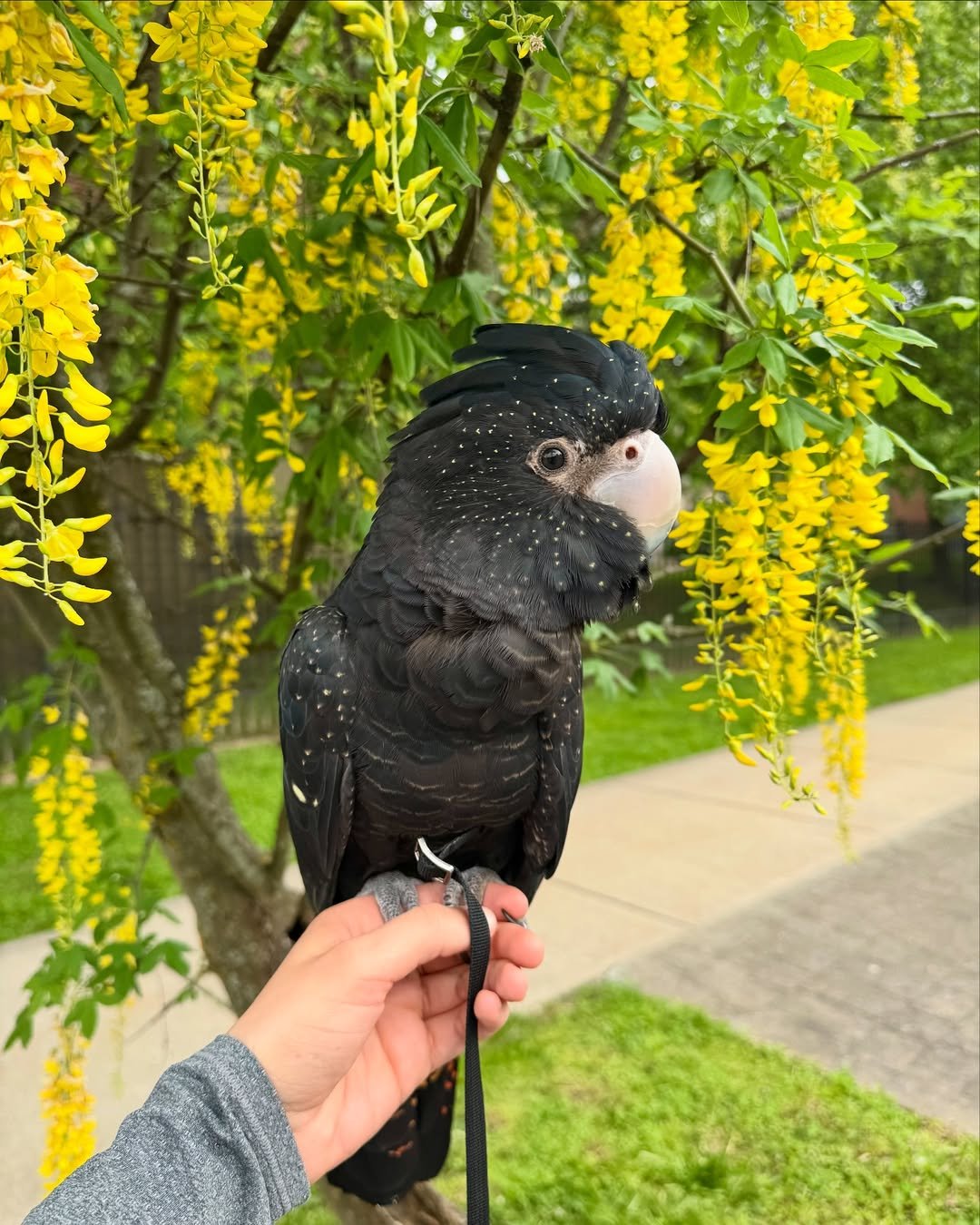
Cockatoo Parrots in Maine can be a fascinating subject for bird enthusiasts, but anyone considering keeping a Gang-gang Cockatoo needs to understand the species and its conservation status before making any decisions. The Gang-gang Cockatoo (Callocephalon fimbriatum) is a distinctive Australian cockatoo measuring roughly 32–37 cm. Adult males are especially recognizable by their scarlet-red head and curled, wispy crest against slate-grey plumage.
For someone living in Maine, the first consideration should not simply be whether this unusual cockatoo can be obtained. Appropriate legal documentation, lawful origin, and applicable wildlife regulations need to be established before considering possession of a bird of this species. Maine law generally prohibits possession of wild birds except where specifically authorized, so prospective keepers should verify the applicable requirements with the appropriate authorities.
What Makes the Gang-gang Different?
Gang-gangs have several characteristics that set them apart from the more commonly encountered pet cockatoos. They are strong chewers with powerful beaks and naturally spend considerable time manipulating and breaking apart plant material. In captivity, appropriate enrichment and durable, bird-safe materials are therefore particularly important.
Their natural diet is also remarkably varied. Research compiling thousands of feeding records found seeds and flowers from eucalyptus, berries, cones, wattles, fruits, nuts and some invertebrates among their recorded foods.
They are also not simply loud, attention-seeking birds. Experienced avicultural sources describe Gang-gangs as generally gentle and inquisitive, although individual temperament can vary considerably. Their need for space, enrichment, appropriate nutrition and knowledgeable care makes them a species for experienced keepers rather than an impulse purchase.
Caring for a Gang-gang Cockatoo
A suitable environment needs room for climbing, flying, chewing and exploration. The World Parrot Trust recommends a walk-in aviary with a minimum length of approximately 4.5 metres for this species, illustrating why ordinary small parrot cages are not an adequate long-term environment.
Gang-gangs should also have regular opportunities to chew safe wood and other suitable enrichment. Fresh food variety, carefully selected formulated nutrition and appropriate veterinary care are important parts of responsible aviculture.
Because the species is conservation-sensitive, responsible ownership begins with confirming that any individual bird has been legally bred and transferred with the documentation required by applicable law.
A Note About Maine
Maine’s climate is very different from the Gang-gang’s native southeastern Australian environment. Temperature management, indoor accommodation during unsuitable weather and access to an avian veterinarian should therefore be considered carefully by anyone lawfully keeping an individual of this species.
The goal should always be the bird’s welfare rather than simply obtaining a rare cockatoo. A healthy Gang-gang needs an environment that accommodates its physical strength, intelligence, chewing behavior, social needs and natural activity level.







Aaron Webb –
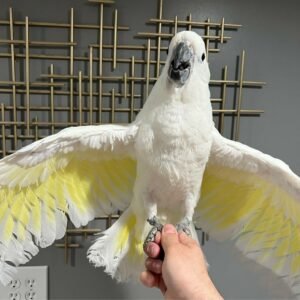
Impressed by the quality of my Triton Cockatoo. Arrived healthy, alert, and feather perfect. The staff was extremely helpful in answering all my husbandry questions. Fantastic experience buying online